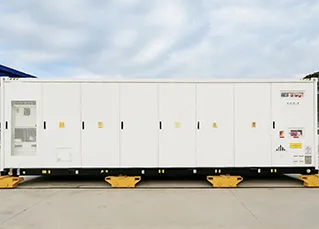
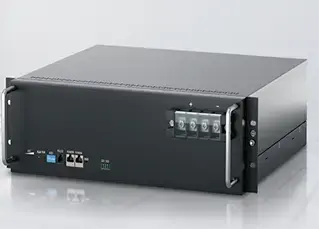
Utility BESS Solutions
Benefits of FPR Utility-scale BESS
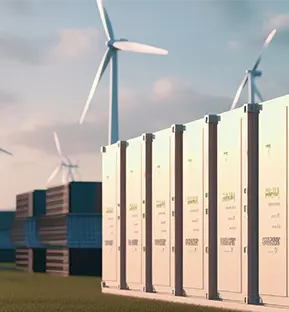
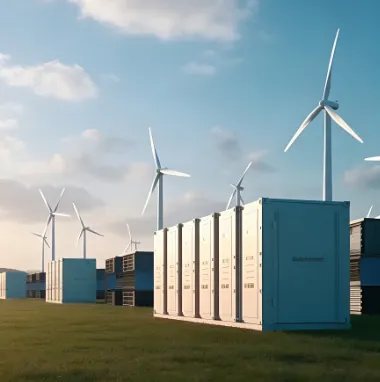
Renewable energy sources such as solar and wind are harnessed during sunny and windy periods and stored in FPR New Energy’s utility-scale Battery Energy Storage Systems (BESS) to ensure reliable, stable, and available power during low-demand periods.
Energy arbitrage leverages fluctuating electricity demand, peaking in the mornings and evenings. FPR New Energy’s utility-scale BESS stores low-cost electricity during off-peak hours, reducing reliance on expensive power during peak periods and potentially lowering overall electricity costs.
Frequent, unexpected power outages causing system shutdowns and irreversible damage? FPR New Energy's utility scale battery energy storage systems provide immediate backup power during emergencies, ensuring critical infrastructure and essential services remain operational until the grid is restored.
The intermittent nature of renewables poses challenges. FPR New Energy’s utility-scale Battery Energy Storage System (BESS) solves this by storing surplus solar and wind energy, ensuring availability during calm or cloudy periods and facilitating a smooth transition to a clean energy future.
FPR New Energy's utility-scale Battery Energy Storage Systems (BESS) play a vital role on a much larger scale, ensuring grid stability and enabling the widespread adoption of renewable energy sources, storing massive amounts of energy to be released when needed. Utility-scale Battery Energy Storage Systems (BESS) act as a buffer, smoothing out the flow of electricity and enhancing grid resilience.
Looking for high-quality BESS for sale? For businesses seeking cost-effective and sustainable energy storage, utility-scale BESS offers unmatched advantages — high efficiency, long lifespan, and low maintenance. Partner with us to integrate customized utility-scale BESS solutions tailored to your energy needs. Contact us today to explore how utility-scale BESS can transform your operations.
Considerations for FPR New Energy’s Utility BESS:
High Upfront Costs: Building and integrating these large-scale systems, like stationary storage battery systems requires significant investment. The initial costs for infrastructure, technology, and installation can be substantial. However, these utility-scale Battery Energy Storage Systems (BESS) costs are offset by the long-term savings and efficiencies gained from deploying utility-scale BESS systems.
Siting and Permitting: Finding suitable locations and navigating permitting processes can be complex. These utility-scale Battery Energy Storage Systems (BESS) require specific conditions for optimal performance and must comply with local regulations. Successfully securing permits for utility-scale BESS installations involves detailed planning and collaboration with regulatory authorities to ensure compliance and minimize environmental impact.
Long-Term Economic Viability: Carefully evaluating the financial benefits, considering grid needs, electricity prices, and system lifespan is crucial. This involves analyzing the financial benefits relative to grid needs, electricity prices, and system lifespan. Careful consideration of these factors ensures that utility-scale energy storage investments are economically sound, providing reliable returns over time and contributing to a more stable and efficient energy grid.
EN
fr
de
es