

 EN
EN
 fr
fr  de
de  es
es 
Applications and Challenges of Stationary Storage Battery Systems in Grid-Scale Storage
With the transformation of the global energy structure and the rapid development of renewable energy, stationary battery energy storage systems have become a cornerstone technology for grid-scale energy storage in the quest for sustainable energy infrastructure. Choose stationary battery energy storage systems that deliver reliability, sustainability, and savings.
Grid-scale energy storage technologies have also become key to balancing supply and demand, improving grid stability and reliability. Stationary storage battery systems, as one of the main solutions for grid-scale energy storage, are facing unprecedented opportunities and challenges for energy storage system manufacturers.
Key Components of Stationary Battery Energy Storage Systems
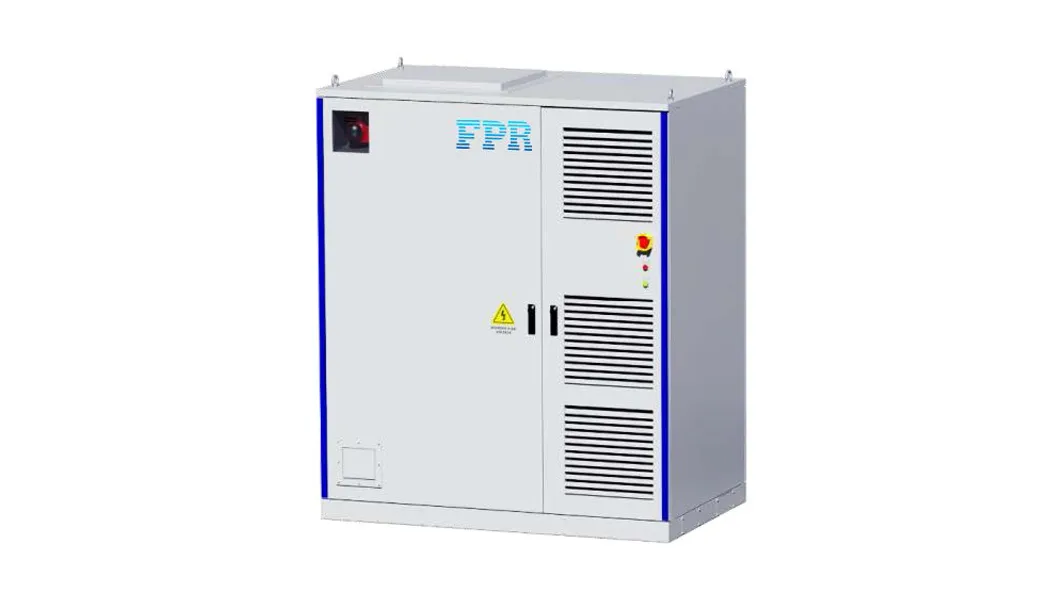
Stationary battery energy storage systems are designed to provide reliable, scalable, and efficient energy storage for grid support, renewable integration, and peak shaving applications. A well-designed stationary battery energy storage system consists of several critical components that work together to ensure safety, performance, and long-term operational stability.
Battery Modules (Core Energy Storage): At the heart of stationary battery energy storage systems are the battery modules, which store electrical energy in chemical form. Lithium-ion technologies such as LFP (Lithium Iron Phosphate) and NMC (Nickel Manganese Cobalt) are the most commonly used due to their high energy density, long cycle life, and safety profile. Depending on application requirements, stationary battery energy storage systems may also utilize lead-acid, sodium-ion, or flow batteries for specific cost, lifespan, or temperature advantages.
Power Conversion System (PCS): The Power Conversion System is a vital element of stationary battery energy storage systems, responsible for converting DC power from the batteries into AC power for grid or load use, and vice versa during charging. High-efficiency inverters and converters ensure minimal energy loss, stable voltage output, and seamless grid interaction, which is essential for commercial and utility-scale deployments.
Energy Management System (EMS) and Control Software: Advanced EMS software acts as the "brain" of stationary battery energy storage systems. It optimizes charging and discharging strategies, monitors system health in real time, and enables intelligent interaction with the grid, renewable energy sources, or microgrids. A well-optimized EMS improves overall system efficiency, extends battery lifespan, and maximizes return on investment.
Thermal Management System: Thermal control is critical for the safety and performance of stationary battery energy storage systems. Cooling and heating systems maintain batteries within their optimal temperature range, preventing degradation, thermal runaway, and efficiency loss. Effective thermal management directly impacts system reliability, especially in high-power or extreme-climate installations.
Safety and Protection Systems: Safety is a top priority in stationary battery energy storage systems. Integrated fire suppression systems, electrical protection devices, gas and temperature sensors, and fault detection mechanisms work together to reduce operational risks. These safety systems ensure compliance with international standards while protecting assets, personnel, and surrounding infrastructure.
The Role of Stationary Battery Energy Storage Systems
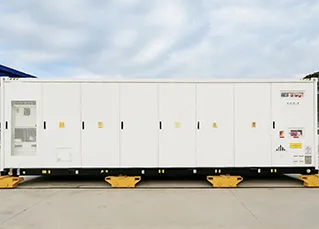
Stationary storage battery system typically refers to the large battery system installed in fixed locations to store electrical energy. This utility scale BESS can store energy when power demand is low and release energy during peak periods. By optimizing grid operations, stationary storage battery systems enhance energy utilization efficiency.
The implementation of stationary storage battery systems plays a crucial role in stabilizing the grid, ensuring that energy is available when needed most. As the demand for renewable energy grows, stationary storage battery systems become increasingly vital in transforming how we manage energy resources.
Applications for Stationary Battery Energy Storage Systems
Stationary battery energy storage systems have a wide range of applications across various sectors. These applications highlight the versatility and importance of stationary battery energy storage systems in modern energy management and sustainability efforts. Here are some key applications of stationary battery energy storage systems:
Peak Shaving and Load Shifting: During high-demand periods, electricity prices soar, and the grid is under tremendous pressure. Stationary storage battery systems can perform peak shaving by releasing stored energy during these times, thereby reducing grid load and associated costs. Stationary battery storage systems store electrical energy when demand is low and release it during peak times to balance the grid load.
Renewable Energy Integration: Stationary battery storage systems address the intermittency and instability issues of renewable energy sources such as wind and solar power by storing excess energy produced during peak production times and releasing it when production is low or demand is high.
Emergency Backup Power: In the face of natural disasters or unexpected power outages, stationary battery storage systems can provide crucial backup power, offering emergency electricity support during grid failures or unexpected outages. With stationary battery storage systems, we can better prepare for power challenges in unpredictable environments.
Regional Grid Regulation: Stationary battery storage systems are vital for enhancing the frequency regulation capability and voltage support of regional grids. By investing in stationary storage battery systems, grid operators can create a more resilient, efficient, and sustainable energy system.
Stationary battery energy storage systems are revolutionizing how businesses and industries manage energy. From microgrids to utility-scale projects, stationary battery energy storage adapts to diverse energy needs. Invest in high-performance stationary battery energy storage systems designed for industrial and commercial use.
Challenges Faced by Stationary Battery Energy Storage Systems
Implementing stationary battery energy storage systems presents unique challenges. For businesses adopting stationary battery energy storage systems, understanding both applications and potential hurdles ensures successful deployment. Here are some challenges faced by stationary battery energy storage systems:
Cost-Effectiveness: The initial investment for stationary energy storage systems is substantial, including the cost of the batteries themselves and related infrastructure and integration expenses. Achieving a balance of cost-effectiveness is key to widespread adoption.
Safety Management: Large-scale stationary battery storage systems pose safety risks, including thermal runaway and battery aging issues, requiring strict safety measures and monitoring systems to prevent accidents.
Environmental Impact: The environmental impact of stationary storage battery systems is significant, particularly regarding the production and disposal of batteries. A full lifecycle environmental assessment of stationary storage battery systems is necessary to address these issues. Considering the environmental impact of stationary storage battery systems will enhance sustainability as their use increases.
Stationary storage battery systems play a crucial role in grid-scale energy storage. Stationary battery storage systems can enhance grid stability, integrate renewable energy, and improve energy efficiency, making them an essential part of the modern energy landscape. Through ongoing technological research and development, cost control, and safety management, stationary storage battery systems are poised to become an integral part of future grids, contributing to the development of a sustainable, stable, and intelligent energy system.
Popular Energy Storage Systems From FPR