

 EN
EN
 fr
fr  de
de  es
es 
How Utility-scale Solar Storage Transforms Power Generation
As solar power becomes a larger part of modern electricity generation, solar farm owners, project developers and EPC contractors face a practical question: how can solar energy be used more reliably when sunlight is not available throughout the day?
This is where utility-scale solar storage becomes important. By adding battery storage to large solar power plants, project owners can store excess solar energy during high-generation periods and release it when grid demand increases, solar output drops or power stability support is required.
For B2B buyers, the value of a solar storage project is not only about adding batteries. It is about matching solar generation, battery capacity, power conversion, control strategy, grid requirements and long-term operating goals into one practical system.
What Is Utility-Scale Solar Storage?
Utility-scale solar storage refers to a large solar power generation project integrated with battery energy storage. The system stores part of the electricity generated by the solar farm and discharges it later based on grid demand, electricity price signals or project operation strategy.
Unlike small residential solar batteries, utility-scale solar storage is designed for large power plants, renewable energy bases, grid-connected solar farms and project-level energy management. It usually involves solar PV arrays, inverters, battery storage units, power conversion equipment, transformers, control systems and grid connection infrastructure.
For project developers and EPC contractors, this type of system helps make solar power more controllable, dispatchable and useful for long-term power generation planning.
How Does a Solar-Plus-Storage System Work?
A solar-plus-storage system works by combining solar generation with battery storage and intelligent control. During periods of strong sunlight, solar panels generate electricity. Part of this electricity may be sent directly to the grid or local load, while excess energy can be stored in batteries.
When solar generation decreases in the evening, during cloudy conditions or when the grid requires additional support, the stored energy can be discharged. This allows the solar project to provide power beyond the natural solar generation window.
| System Part | Main Function | Why It Matters |
| Solar PV Array | Generates electricity from sunlight | Provides the primary renewable energy source |
| Battery Storage | Stores excess solar energy | Improves energy availability after solar generation drops |
| PCS / Inverter | Manages power conversion | Supports charging, discharging and grid interaction |
| EMS / Control System | Coordinates system operation | Helps optimize charging, discharging and power dispatch |
| Grid Connection | Connects the project to the power network | Ensures the stored energy can be delivered safely and effectively |
Why Do Solar Farms Need Battery Storage?
Solar farms generate power during the day, but electricity demand does not always match solar output. In many projects, peak solar generation may occur when demand is relatively low, while stronger demand may appear later in the afternoon or evening.
Battery storage for solar farms helps solve this mismatch. It allows project owners to shift solar energy from one time period to another, reduce wasted generation and improve the controllability of renewable power.
Solar farms may need battery storage for several reasons:
Energy shifting: Store solar power during high-generation hours and discharge it when demand increases.
Curtailment reduction: Reduce the loss of solar energy when the grid cannot absorb all generated electricity.
Grid stability support: Help smooth output fluctuations caused by cloud cover or changing sunlight conditions.
Peak demand support: Discharge stored energy during high-demand periods.
Renewable integration: Make solar power easier to integrate into the grid at larger scale.
How Utility-Scale Solar Storage Improves Power Generation
The main benefit of utility-scale solar storage is that it changes solar power from a purely weather-dependent resource into a more flexible power generation asset. Instead of only sending electricity to the grid when sunlight is available, the project can store energy and release it based on operational needs.
For power generation projects, this can create several practical advantages:
| Benefit | How It Helps Solar Power Projects |
| More Stable Output | Battery storage can smooth short-term solar power fluctuations and support more predictable output. |
| Better Energy Utilization | Excess solar power can be stored instead of being wasted during periods of limited grid absorption. |
| Higher Project Flexibility | Stored energy can be dispatched according to grid demand, price signals or project operation plans. |
| Improved Renewable Integration | Battery storage helps large solar projects connect more effectively with modern power grids. |
| Stronger Project Value | Solar-plus-storage projects can support more use cases than standalone solar generation. |
What Factors Affect Solar Storage System Configuration?
A successful solar storage project requires more than selecting a battery capacity. EPC contractors and project developers should evaluate how the storage system will be used, how often it will cycle and what kind of grid support is required.
When planning a solar storage system configuration, buyers should consider the following factors:
PV plant size: The solar farm capacity affects how much surplus energy may be available for storage.
Storage duration: A project may require short-duration or longer-duration storage depending on dispatch needs.
Charge and discharge strategy: The system should match daily operation patterns and grid requirements.
Grid connection rules: Local grid codes and interconnection requirements affect system design.
Site conditions: Temperature, space, installation environment and maintenance access should be reviewed.
Control system: EMS strategy affects how efficiently the solar and storage assets work together.
Safety and documentation: Certificates, test reports and technical documentation are important for project approval and delivery.
What Should EPCs and Project Developers Check Before Planning a Solar Storage Project?
For B2B buyers, the early planning stage is critical. A solar-plus-storage project should be evaluated from both technical and commercial perspectives before product selection begins.
| Check Point | Buyer Question |
| Project Objective | Is the storage system mainly for energy shifting, curtailment reduction, backup power or grid support? |
| Power and Energy Requirement | What MW and MWh capacity are required for the project operation strategy? |
| System Compatibility | Can the battery system work with the planned PCS, inverter, transformer and EMS? |
| Operating Environment | What are the site temperature, ventilation, space and installation requirements? |
| Safety Design | Does the system include suitable BMS, thermal management and protection design? |
| Documentation | Are datasheets, certificates, manuals and project support documents available? |
| Supplier Support | Can the supplier support technical communication, configuration discussion and long-term project cooperation? |
How FPR Supports Solar Storage Project Planning
FPR New Energy supports global customers with energy storage products and project-oriented battery solutions. For buyers planning solar storage projects, FPR can help review application requirements, battery configuration, system integration needs and suitable product options.
Instead of treating every project the same way, FPR recommends starting with the real application scenario. A solar farm focused on reducing curtailment may require a different configuration from a project focused on peak support, backup power or renewable integration.
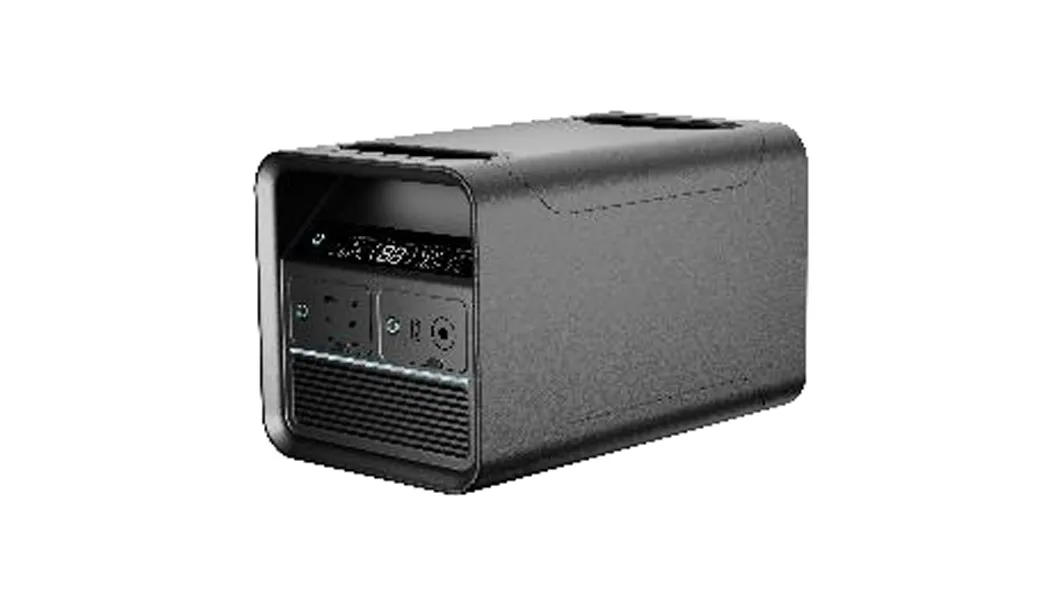
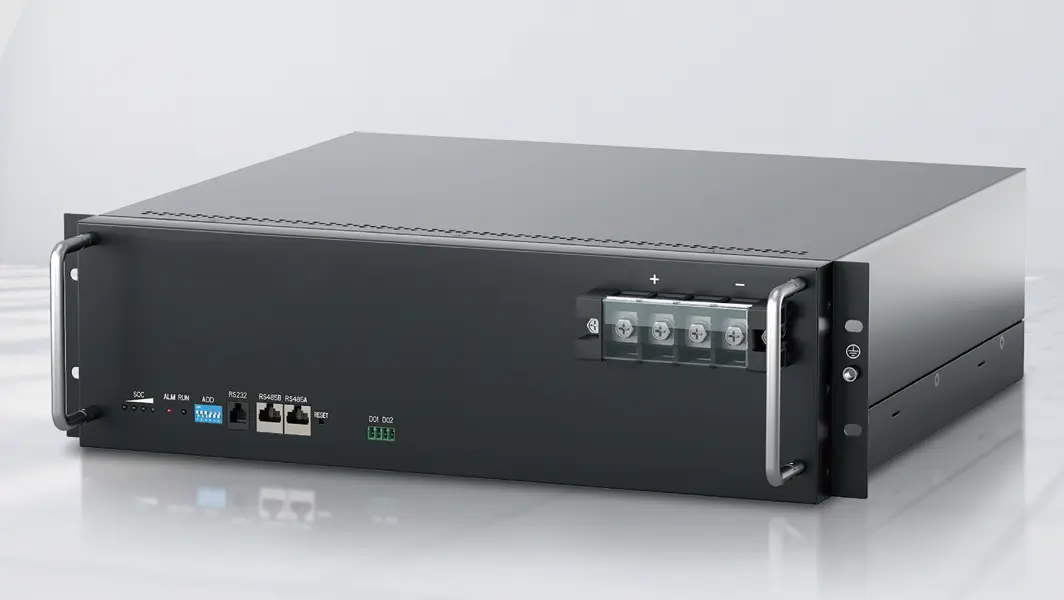
Project developers and EPC contractors can review FPR's utility energy storage solution, energy storage system products and battery module pack options to compare suitable pathways for solar-plus-storage applications.
Conclusion
Utility-scale solar storage helps solar power projects become more flexible, stable and valuable. By storing excess electricity and releasing it when needed, a solar-plus-storage system can reduce curtailment, support grid stability, improve renewable energy utilization and extend the value of solar generation beyond daylight hours.
For EPC contractors, project developers and solar farm owners, the most important step is not simply adding batteries to a solar project. The key is designing a system that matches project goals, grid requirements, storage duration, control strategy, safety needs and long-term operation plans.
FPR New Energy supports B2B buyers in evaluating practical energy storage configurations for solar power projects. Buyers can contact FPR to discuss project requirements, technical documentation and suitable energy storage product options.
FAQ About Utility-Scale Solar Storage
What is utility-scale solar storage?
Utility-scale solar storage is a large solar power project integrated with battery storage. It stores excess solar energy and releases it later based on grid demand, project operation strategy or renewable energy integration needs.
How does utility-scale solar storage work?
A utility-scale solar storage system uses solar panels to generate electricity, battery storage to store excess energy, and control systems to manage charging and discharging. Stored energy can be released when solar output decreases or when the grid needs support.
Why do solar farms need battery storage?
Solar farms need battery storage to reduce energy curtailment, shift solar power to higher-demand periods, smooth output fluctuations and improve grid integration.
What is a solar-plus-storage system?
A solar-plus-storage system combines solar PV generation with battery storage. It allows solar energy to be stored and dispatched later, making solar power more flexible and useful for power generation projects.
How should EPC contractors plan solar storage capacity?
EPC contractors should evaluate PV plant size, target storage duration, charge and discharge strategy, grid requirements, site conditions, safety design and system compatibility before deciding storage capacity.
Can FPR support solar storage project planning?
Yes. FPR can support B2B buyers with energy storage product options, application discussion, technical documentation and project-based configuration communication for solar storage applications.
Popular Energy Storage Systems From FPR